

It’s a challenging position to be in: watching your child struggle and not knowing if what you’re seeing is a normal part of growing up or something more. That feeling of being unsure how to help is something nearly every parent goes through.
But you don’t have to stay in that place of uncertainty. Figuring this out doesn’t have to be overwhelming, and you’re not alone in this. The key is to get clear on what you’re seeing, so you can feel capable in your next steps.
In this guide, we will outline concrete signs that your child might benefit from behavioral therapy. We’ll give you the information you need to feel capable and prepared to take the next step that is best for your child.
What Is Behavioral Therapy for Children?
So, what exactly is behavioral therapy for children? The name itself can sound a little serious, but the idea behind it is actually very simple and supportive.
Think of it less like “fixing” a problem and more like giving your child a personal toolbox to handle big feelings or tricky situations.
Therapy is simply a way to teach children how to use new tools like communication, patience, and problem-solving, which will help them for the rest of their lives.
What Does Behavioral Therapy Actually Look Like?
As a parent, it’s completely normal to wonder what really happens in a therapy session. The good news is, it’s not a cold, clinical process. It’s more like your child is getting a new kind of coach, one who helps them with feelings instead of sports.
A therapist’s main job is to find an approach that feels right for your child. Here are a few ways they do that:
Helping Kids to Learn New Ways to Cope
Have you ever noticed how a worried thought can lead to a tummy ache? Or how an angry feeling can make you slam a door? Cognitive Behavioral Therapy (CBT) gently teaches kids to see those connections.
It’s like they become little detectives of their own feelings, learning that they have the power to change a worried thought, which can make the tummy ache go away. It gives them real, practical tools to feel more in charge of their emotions. According to the National Library of Medicine, CBT is an effective approach for anxiety in children and teenagers, and works even better for some when combined with medication.
Speaking the Language of Play (Play Therapy)
For younger kids, the best way to talk about big feelings isn’t with words, it’s with toys.
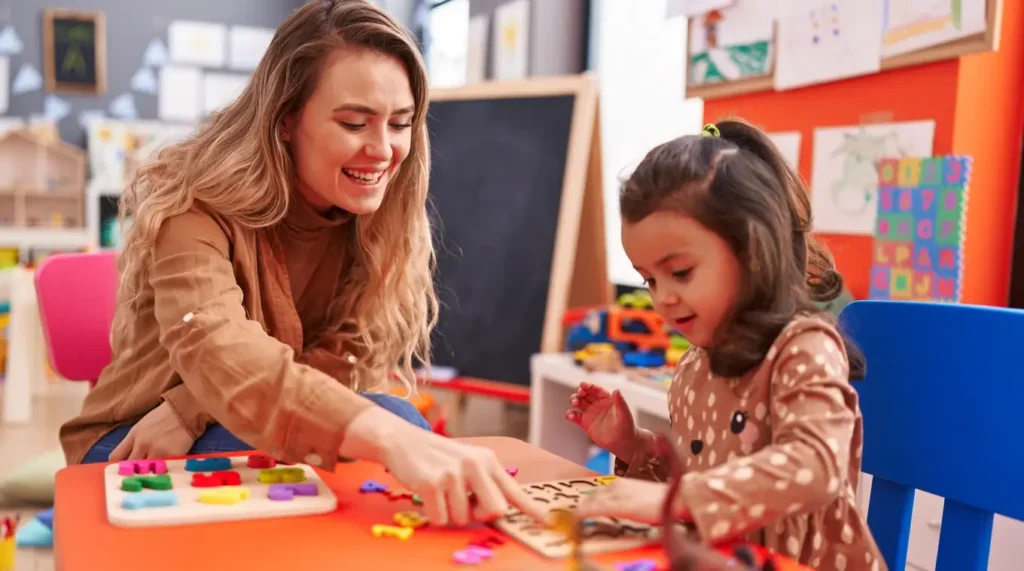
Play is the natural language of childhood. Through games, drawing, or telling stories with puppets, a child can show what’s going on inside them without the pressure of having to explain it. Play therapy is a safe, gentle way for them to work through worries and practice social skills in a way that just feels like playing.
What Kinds of Challenges Does Child Behavioral Therapy Address?
Behavioral therapy can be a game-changer for kids who are trying their best but still struggling. It can offer a helping hand for children navigating all sorts of common, but tough, challenges like:
- ADHD
- Anxiety, worry, and phobias
- Big behavioral challenges (sometimes called conduct disorders)
- Autism spectrum disorders
- Feelings of deep sadness or depression
- Getting stuck on certain thoughts or routines (OCD)
But Does It Really Help?
This is the most important question, isn’t it? You want to know if taking this step will truly make a difference for your child.
It’s helpful to know that these aren’t just hopeful ideas; they are methods backed by countless family success stories and solid research.
For instance, the Cochrane has shown that therapy is one of the most effective ways to help children. It helps them with their struggle with anxiety, and behavioral approaches can bring meaningful, positive changes for children with ADHD.
What the Journey Looks Like
It helps to know what to expect, and the process is simpler and more supportive than you might imagine. The entire journey is a partnership among you, your child, and the therapist, unfolding in a few clear and thoughtful steps.
- A Friendly Hello: It all starts with a simple conversation where the therapist gets to know your child and your family. The only goal is to listen and understand what life is like for your child; what they love, what they’re good at, and what feels hard right now.
- Teaming Up on a Goal: Next, the therapist will work with you and your child to determine what you’d like to focus on together. The goals are always positive, like “feeling brave enough to join the game at recess” or “learning how to calm down when I feel frustrated.”
- Learning and Growing: This is the heart of the journey, where your child will learn and practice new skills through play, art, or conversation. The therapist will be their biggest cheerleader, offering tons of encouragement and support to make it feel safe and even fun.
- You’re the Expert at Home: This isn’t something that just happens once a week in an office. The therapist will share simple tips and ideas with you, so you can continue that same support at home. Because you’re the true expert on your child, and that teamwork is what makes all the difference.
Why Early Recognition Matters
As a parent, it’s natural to give things time, to hope that a difficult phase will pass on its own. You might tell yourself, “Let’s just wait and see.” But trusting your gut when you feel something is off is one of the most powerful things you can do for your child.
And if you feel worried, please know you are far from alone. Recent CDC data show that many children face these challenges, about 1 in 9 are diagnosed with anxiety or ADHD, and millions more deal with behavioral disorders or depression. These numbers simply remind us that seeking support is a normal
But do remember, recognizing the signs early isn’t about jumping to conclusions or labeling your child. It’s about being wonderfully proactive. It’s about gently clearing a path for them before the struggles they’re facing become bigger and start to get in the way of their happiness and confidence.
Why does it help?
Stepping in early is one of the most powerful and loving things you can do for your child. Here are the simple, important reasons why getting support sooner, rather than later, can positively shape your child’s future:
A Child’s Brain is Open to Learning
A child’s brain is like a young, flexible tree. It’s much easier to gently guide it to grow in a healthy direction than it is to try and change the shape of a fully grown tree years later. When kids are young, they are incredibly open to learning new, positive habits for managing their feelings and actions, and those skills can set them up for life.
Therapy Stops Small Problems from Becoming Big Ones
Think of a small snowball at the top of a hill. If you stop it early, then it’s easy. But if it keeps rolling, it picks up more snow and speed, becoming much harder to handle. In the same way, addressing a behavioral challenge when it’s small prevents it from gathering momentum and impacting other parts of your child’s life, like their friendships, their schoolwork, and their family relationships.
It Protects Your Child’s Self-Esteem
When a child struggles day after day without the right tools, they can start to believe that something is wrong with them. They might start to see themselves as the “naughty kid” or the “worried kid.” Getting help early reframes the entire story. It sends them a powerful and loving message: “You are not a problem. You are just having a problem, and we are going to help you solve it together.“
Recognizing Signs That Your Child Needs Behavioral Therapy
Every child has tough days. That’s completely normal. But when certain behaviors start happening often, feel unusually intense, or seem to stick around longer than they should, it’s worth taking a closer look.
One helpful way to think about it is this:
Is the behavior frequent, intense, and persistent? Does it show up in more than one setting, like home, school, or other activities?
If the answer is yes, these signs may be your child’s way of saying, “I need a little help.” And that’s okay. Noticing early is an act of care, not criticism.
Let’s look at a few categories of signs that can help you connect the dots.
Emotional & Mood Signals
This is all about tuning into your child’s inner world. Sometimes, their behavior is the clearest sign they’re having a hard time managing their big feelings. Here’s what to look for:
- Outsized Emotional Reactions: Tantrums that seem to come out of nowhere, bursts of sadness that linger, or angry reactions that feel disproportionate to the situation.
- Sudden Mood Shifts: Sudden changes of mood from calm to explosive, or cheerful to withdrawn, that disrupt daily routines.
- Persistent Worry or Sadness: Ongoing worries that seem to hijack their day, or a low mood that just won’t lift, even during favorite activities.
- Constant Irritability and Defiance: Constant arguing, saying “no” to everything, or an intense stubbornness that goes beyond typical boundary-pushing.
Social & Communication Signs
Watching your child struggle to connect with others can be one of the hardest things to witness as a parent. These signs can offer clues if they are feeling lonely or just need more support navigating the tricky world of friendships.
- Social Withdrawal: Pulling away from friends or family, or suddenly losing interest in things they used to love.
- Struggles With Friendship: Trouble making friends, frequent fallouts, or just never quite fitting in, even when they try.
- Aggression or Avoidance: Acting out toward peers (like hitting or name-calling), or going to the opposite extreme, avoiding social situations altogether.
School & Attention Signs
If things are starting to go sideways at school, it’s often not about a lack of effort. The classroom can be the place where a child’s inner struggles with big feelings or a busy mind first come to the surface.
- School Problems: A noticeable drop in grades, frequent calls from teachers, or outright refusal to go to school.
- Attention Difficulties: Trouble focusing, staying on task, or following even simple directions without becoming frustrated or distracted.
Physical & Lifestyle Changes
It’s easy to focus on behavior, but don’t forget to look at the basics. Quiet shifts in your child’s sleeping or eating habits, or new physical complaints, can often be the sign that they are feeling overwhelmed.
- Changes in Sleep or Appetite: Struggling to fall asleep, frequent nightmares, sudden changes in eating habits, more or less than usual.
- Unexplained Physical Complaints: Frequent headaches or stomachaches, especially before school or stressful activities, with no clear medical cause.
- Sensory Overload: Becoming overwhelmed by noise, textures, clothing, or crowded spaces. To such an extent that it disrupts daily routines.
What to Do If You Notice These Signs
Noticing the signs doesn’t mean you’ve done anything wrong or that something is “broken.” What it really means is that you’re paying attention, and that’s one of the most important things you can do for your child.
Specialized Behavioral Programs for Young Children
Is your child struggling with emotional regulation, social skills, or confidence? We help families in the Greater Cincinnati area through our structured PHP and IOP programs designed specifically for children ages 3 to 8.
So if your instincts are nudging you, here are a few gentle, practical steps you can take to start moving forward with confidence.
Start by Simply Observing
Before jumping to conclusions, spend a week or two just noticing. Keep a simple journal. Not to overanalyze, but to help you see patterns clearly.
You don’t need anything fancy. Just note down:
- When and where the behavior happened
- What your child did
- How big it felt on a scale from 1–5 (tiny frustration to full-blown meltdown)
- What helped, if anything, to calm or shift the moment
This can give you clarity, and it also becomes incredibly helpful if you decide to talk to a doctor or therapist later on.
Loop in Teachers or Caregivers
You see your child in one environment. Teachers, daycare providers, and other caregivers view them in a different light. If you’re noticing challenges at home, it’s helpful to check in and ask:
“Have you noticed anything similar at school or daycare?”
They may bring up examples you hadn’t heard about or share that things are going well in that setting. Either way, it gives you a fuller picture.
Talk to Your Pediatrician
Your child’s doctor is a trusted partner in this process. They can help rule out things like sleep issues, vision or hearing problems, nutritional deficiencies, or even underlying medical conditions that can affect mood and behavior.
It’s always a good place to start, and they can also guide you toward the next steps if more support is needed.
Reach Out to a Behavioral Health Specialist
If your concerns persist or if your gut tells you something deeper might be going on, you don’t have to navigate this alone. That’s exactly why Positive Leaps exist.
We specialize in helping children develop emotional and behavioral skills in a safe and nurturing environment. Whether your child is navigating anxiety, big emotions, ADHD, or social struggles, our team of compassionate professionals is here to support your family with tools that truly work.
You can reach out to us directly to talk through your concerns and explore whether a personalized behavioral therapy plan might be the right next step. There’s no pressure, just a caring conversation about how we can help.
Final Words
Just by reading this, you’ve already taken a powerful first step.
You’ve leaned into the questions. You’ve paid attention to your child’s world. And maybe, for the first time in a while, you’re starting to see a path forward. That kind of courage? It’s not small. It’s everything.
We know how heavy it can feel to wonder if something more is going on… and how lonely it can be not knowing what to do next. But you don’t have to carry that weight by yourself.
At Positive Leaps, we’re here to walk with you, whether your child needs Regular Day Treatment, IOP, or Outpatient Therapy. So, if your gut is saying, “Maybe this isn’t just aphase…” or if your heart is whispering, “I think my child needs more support…”
We’re here for you.
Beyond our services, there are other reputable clinics to consider based on your location:
If you are living outside of Cincinnati, OH, in the rest of Ohio or Kentucky, Mindfully is an excellent option, with 16 office locations across the state. Specifically in Northeast Ohio (Greater Cleveland), Mindfully – Strongsville offers many child and teen therapists as well as school-based therapy.
If you are looking specifically in Colorado, Mindfully Colorado is a good choice to consider.
And if you are in Austin, Texas, Therapy Austin and Austin DBT Associates are good options to consider as well.
Because every child deserves to feel confident, calm, and connected. And every parent deserves to feel hopeful again.