

As a parent, it’s never easy to see your child struggling emotionally or behaviorally. Frequent temper tantrums, signs of anxiety, trouble at school, or simply not seeming like themselves can leave you feeling overwhelmed and unsure where to turn for help.
The good news is that there are a variety of mental health services designed to support children at different ages and stages of development. While some children may benefit from talk therapy, others may need psychiatric care or a more structured behavioral health program. The right starting point depends on your child’s age, symptoms, and the level of support they need.
In this guide, we’ll walk you through the different mental health care options available for children and teens, helping you better understand which type of care may be the best fit for your child’s unique needs.
When Should You Consider Mental Health Support for Your Child?
Every child experiences difficult emotions and challenging behaviors from time to time. It’s a normal part of growing up. However, when these challenges become frequent or intense, or begin to affect your child’s daily life, it may be time to seek professional support.
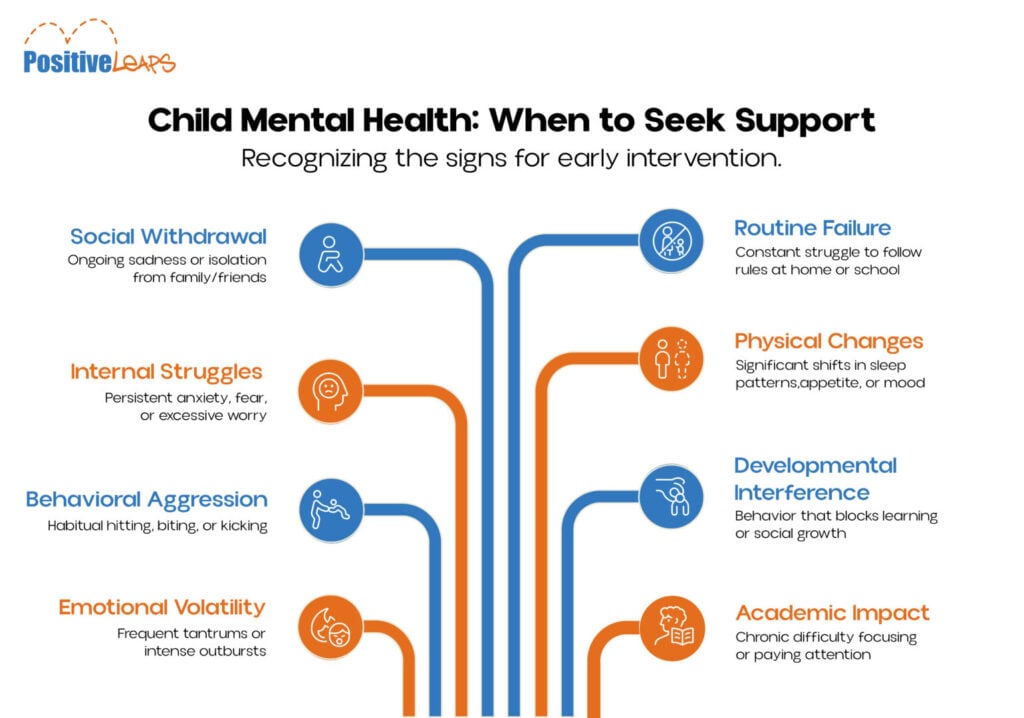
Some common signs that your child may benefit from a mental health evaluation include:
- Frequent temper tantrums or emotional outbursts
- Aggressive behaviors, such as hitting, biting, or kicking
- Persistent anxiety, fear, or excessive worry
- Ongoing sadness or withdrawal from family and friends
- Difficulty focusing or paying attention at school
- Problems following routines at home or in the classroom
- Significant changes in sleep, appetite, or mood
- Behavioral concerns that interfere with learning or social relationships
It’s important to remember that these signs can look different depending on your child’s age.
A preschooler may express distress through challenging behaviors, while an older child or teenager may become withdrawn, anxious, or have difficulty managing their emotions.
Seeking help early can provide your child with the support they need before challenges become more difficult to manage.
Start with a Professional Mental Health Assessment
Once you notice the changes in your child’s behavior, the next step is to schedule a comprehensive mental health assessment with a child therapist or psychiatrist. While it can be tempting to search for the “right” program on your own, every child’s needs are different. A professional evaluation can help determine the most appropriate course of action.
During the assessment, a licensed mental health professional will take the time to understand your child’s emotional well-being, behavioral concerns, developmental history, family environment, and experiences at school or daycare. They will also discuss your concerns as a parent and evaluate how your child’s challenges are affecting their daily life.
Based on this comprehensive evaluation, the clinician can recommend the level of care that best supports your child’s needs. This may include therapy, psychiatric medication management, or a more structured behavioral health program. Starting with a professional assessment helps ensure your child receives the right care at the right time.
Understanding the Different Mental Health Care Options
Mental health care isn’t one-size-fits-all. The right treatment depends on your child’s age, symptoms, and the level of support they need. While some children benefit from weekly therapy, others may require medication management or a more structured behavioral health program to help them develop the skills needed to thrive.
There are several behavioral health levels of care, each designed to meet children where they are in their mental health journey. If you’d like a more detailed explanation of how these levels compare, we encourage you to read our guide on behavioral health levels of care.
In the following sections, we’ll explore the most common treatment options for children and teens. This includes behavioral health programs for young children, talk therapy, and psychiatric medication management, so you can better understand which type of care may be appropriate for your child.
Behavioral Health Programs for Young Children (Ages 3-8)
Young children express their emotions differently than older children and teens. Instead of talking about how they feel, they may communicate through behaviors such as frequent temper tantrums, aggression, defiance, or difficulty following directions. They may also struggle interacting with others. When these behaviors become persistent and begin to affect life at home, at daycare, or at school, they may indicate that your child needs more than traditional weekly therapy.
Positive Leaps specializes in behavioral health services for children ages 3 to 8. Our programs are designed to teach children the emotional, behavioral, and social skills they need to succeed in everyday life. We do this through evidence-based care provided in a structured, supportive environment.
Following a comprehensive assessment, our clinical team will determine the level of care that best fits your child’s needs. For some children, it means participating in our 8-hour a day Regular Day Treatment Program or our part-time Intensive Outpatient Program (IOP). These programs are designed to provide more structured support than traditional weekly therapy while helping children build healthy coping skills and giving parents and caregivers an active role in the treatment process.
Outpatient Talk Therapy for Children and Teens (Ages 3 to 17)
Not every child requires a structured behavioral health program. For many adolescents, individual therapy is an effective way to address emotional, behavioral, or social challenges while continuing with their regular daily routines.
Individual therapy helps children and teens navigate concerns such as anxiety, depression, family changes, school-related stress, and relationship difficulties. Through regular sessions with a licensed therapist, adolescents learn healthy coping strategies. They also improve emotional regulation, strengthen communication skills, and build resilience.
Mindfully provides therapy for children and teens ages 3 to 17 in Ohio. Therapists work closely with both the teen and their family to develop individualized treatment plans that support long-term emotional well-being. For many families, therapy is an excellent starting point when a teen needs professional support but does not require a higher level of behavioral health care.
Psychiatry and Medication Management for Children Ages 10+
For some children and teens, therapy alone may not be enough to effectively manage their symptoms. When emotional or behavioral challenges significantly impact daily life, a psychiatric evaluation can help determine whether medication may be an appropriate part of their treatment plan.
For children and teens who may benefit from additional support beyond therapy, Mindfully Psychiatry offers medication management for ages 10 and older. This service is available virtually throughout Ohio and in person in key cities across the Buckeye State. During an evaluation, a psychiatrist reviews your child’s symptoms, medical history, and overall mental health to determine whether medication may be appropriate. If medication is prescribed, your child’s progress is closely monitored, and adjustments are made as needed to help ensure treatment remains safe and effective.
Choosing the Right Mental Health Care for Your Child
The right level of mental health care depends on your child’s age, symptoms, daily functioning, and overall support needs.
In general, children ages 3 to 8 with significant behavioral or emotional concerns may benefit from a structured behavioral health program such as those offered at Positive Leaps. For less severe challenges,children and teens with anxiety, depression, trauma, or other emotional concerns may benefit from therapy.
Children aged 10 -17 may also be appropriate for psychiatric medication management.
A comprehensive mental health assessment can help clarify your child’s needs and determine the most appropriate next step in care.
Take the First Step Toward Supporting Your Child’s Mental Health
Seeking mental health care for your child can feel overwhelming, but you don’t have to navigate the process alone. Whether your child would benefit from a structured behavioral health program, therapy, or psychiatric medication management, the first step is understanding their unique needs through a professional assessment.
Early intervention can make a meaningful difference in your child’s emotional, behavioral, and social development. If you have concerns about your child’s mental health, reaching out today can help you find the right path forward and connect your family with the support your child needs to grow and thrive.